
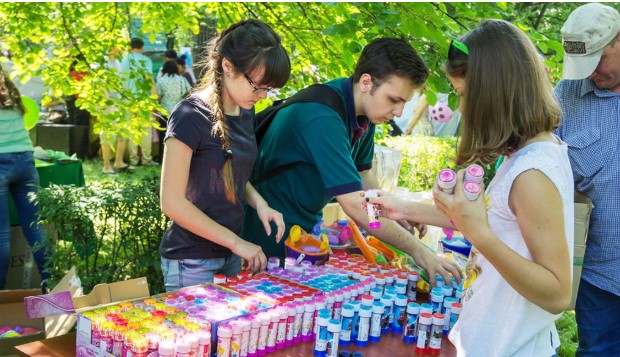

Bringing families together in meaningful ways strengthens communities. Community events are more than just gatherings; they are opportunities to connect, share experiences, and build lasting memories. Successful planning ensures that everyone, from children to grandparents, feels included and engaged. By focusing on family needs, organizers can create events that resonate deeply and encourage participation year after year.
Creating Inclusive Community Events
Inclusive community events welcome people of all ages and backgrounds. Accessibility, clear communication, and varied activities are key. Consider spaces that accommodate strollers, wheelchair users, and quiet areas for those who need a break. Inclusion also means providing activities that appeal to diverse interests. From arts and crafts to sports and music, well-rounded community events can bring every family member together. This approach ensures that community events foster a sense of belonging for all attendees.
Designing Interactive Activities For Families
Interactive activities keep families engaged and entertained. Simple games, team challenges, and hands-on workshops create excitement and connection. Children enjoy scavenger hunts or craft stations, while adults may prefer cooking demos or educational talks. Mixing fun with learning strengthens family bonds and encourages everyone to participate actively. By focusing on engagement, planners can make community events memorable and enjoyable for every family member.
Scheduling Events For Maximum Participation
Timing is everything when it comes to community events. Scheduling on weekends, holidays, or during school breaks increases participation. Consider multiple sessions for popular activities to avoid overcrowding. Clear communication about dates, times, and locations helps families plan ahead. Consistency also matters; regular community events encourage routine attendance and build anticipation. Thoughtful scheduling ensures that community events reach the widest possible audience.
Promoting Community Events Effectively
Promotion plays a huge role in the success of family-focused gatherings. Flyers, social media posts, newsletters, and local bulletin boards help spread the word. Highlighting family-friendly activities in promotional materials draws attention and excites attendees. Partnering with schools, local businesses, and community centers increases reach. Well-promoted community events generate buzz and attract families who might otherwise miss out.
Collaborating With Local Organizations
Partnering with local organizations strengthens the impact of community events. Schools, libraries, and recreational centers can provide resources, volunteers, or space. Local businesses may sponsor activities or offer prizes. Collaboration ensures diverse programming and makes organizing more manageable. Working together creates a network of support that benefits both families and the broader community. These partnerships are essential for planning successful community events.
Gathering Feedback And Improving Future Events
Collecting feedback from attendees helps planners refine future events. Short surveys, comment cards, or online forms capture opinions and suggestions. Families often share ideas about activities, timing, and accessibility. Listening to this feedback ensures that future community events are even more engaging and inclusive. Continuous improvement keeps families excited and invested in upcoming gatherings.
Conclusion
Planning successful community events for family engagement takes careful thought and dedication. Inclusive activities, thoughtful scheduling, effective promotion, and collaboration all contribute to meaningful experiences. By paying attention to the needs of families and gathering feedback, organizers can create events that strengthen bonds and foster a vibrant community spirit. Well-planned community events leave a lasting impression and inspire families to return year after year.