
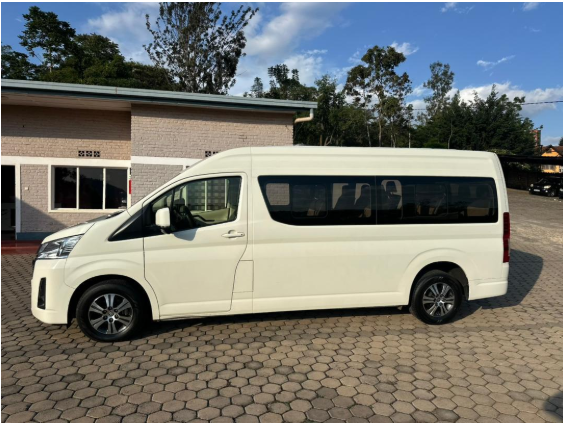

Introduction: Renting a Car in a Country Built for Road Trips
Rwanda is small, scenic and surprisingly easy to drive. Smooth main roads connect Kigali to volcano country in the north, the shores of Lake Kivu in the west and the savanna of Akagera in the east. Distances are short, but the hills are steep and the views change every few kilometers, which is why so many visitors prefer to explore with their own vehicle.
Rwanda car rental works best when you understand the process before you arrive. This guide focuses on the practical side: how the rental market is structured, what drives the price, which contract terms matter most and how to protect yourself from avoidable problems.
How the Rwanda Car Rental Market Works
Rental options in Rwanda generally fall into three groups:
- Local independent operators. Often family-run or tour-linked businesses offering safari-ready 4x4s, drivers and flexible, personal service. Quality varies, so reputation and written terms matter.
- Larger or international-style agencies. Usually based in Kigali with airport desks or delivery, more standardized contracts and a wider range of saloons and SUVs.
- Tour operators bundling vehicles. Some companies include a vehicle and driver within a full itinerary, which simplifies logistics but may reduce flexibility.
None of these is automatically better. The right choice depends on your itinerary, budget and how much support you want.
Self-Drive Rental vs. Rental With a Driver
Self-drive rental gives you independence. Rwanda’s roads are widely regarded as orderly, signage is clear and enforcement is visible. It suits confident drivers who are comfortable with hills, motorbike traffic and navigating by offline maps.
Rental with a driver adds local knowledge and removes stress. Drivers know road conditions, park procedures and the best viewpoints, and many act as informal guides. This is often the better value for short trips, early gorilla trekking starts and park-heavy itineraries.
A common compromise is to take a driver for the national park days and a self-drive car for time around Kigali or Lake Kivu.
Vehicle Categories and Where They Fit
| Category | Typical use | Consider if |
| Economy car | Kigali and paved highways | You are staying mostly in town |
| Compact SUV | Highways, light gravel | You want comfort at a moderate price |
| Mid-size 4×4 | Mixed terrain, families | You plan Musanze, Kivu and some rough roads |
| Safari 4×4 | Akagera, rough tracks | You want high clearance and a pop-up roof |
| Pickup double cab | Camping, heavy luggage | You carry gear or need rugged capability |
| Minibus | Large groups | Your route is mostly paved |
If you are visiting Volcanoes National Park, Akagera or Nyungwe, lean toward a 4×4. In the rainy seasons the extra traction and clearance are well worth it.
What Determines the Price
Rental prices are not fixed, and understanding the drivers helps you compare quotes fairly.
- Vehicle class. Larger, more capable vehicles cost more.
- Season. The drier months are the busiest and usually the most expensive.
- Rental length. Longer rentals often carry lower daily rates.
- Driver inclusion. A driver adds a daily fee, and sometimes accommodation and meal costs.
- Mileage terms. Unlimited mileage may cost more per day but protects you on long routes.
- Insurance level. Lower excess usually means a higher daily rate.
- Booking timing. Last-minute bookings in peak months face limited availability.
When comparing, request an itemized, all-inclusive quote. A low daily rate that excludes insurance, mileage and fees often ends up costing more than a transparent higher offer.
Insurance: The Section Most Travelers Skip
Insurance deserves real attention, because misunderstandings here cause most disputes. Ask each provider to explain, in writing:
- What is covered: collision damage, theft, third-party liability, tyres and windscreen.
- The excess (deductible) you would pay if something happens.
- Whether cover applies on unpaved park roads.
- What is excluded, such as driving at night, driving under the influence or undeclared drivers.
- What to do after an accident, including whom to call and whether a police report is required.
Check whether your travel insurance or credit card offers additional rental cover, but read the terms carefully, because many policies exclude certain countries, vehicle types or off-road use.
Documents and Legal Basics
Requirements can change, so verify current rules with your provider and the relevant authorities. In general, bring:
- Passport and visa or entry authorization
- Valid driving licence from your home country
- International Driving Permit, recommended and sometimes requested
- Payment card for the security deposit
- Rental agreement and insurance papers, kept in the vehicle
Rwanda drives on the right-hand side. Seat belts are mandatory, speed limits are enforced, and rules against single-use plastic bags are strict.
The Handover Checklist
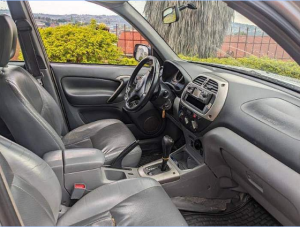
The moment you collect the vehicle is your best chance to prevent later disagreements.
- Walk around the car and photograph every scratch, dent and chip.
- Check tyre tread and make sure the spare wheel, jack and wheel spanner are present and usable.
- Test lights, indicators, wipers, air conditioning and the horn.
- Note the fuel level and mileage on the agreement.
- Confirm the breakdown phone number and save it in your phone.
- Ask how to use four-wheel drive and low range, if the vehicle has them.
- Keep copies of every document you sign.
Typical Routes and Rental Needs
Kigali to Musanze. A scenic, mostly paved route. Any reliable vehicle manages the highway, though a 4×4 helps near trailheads.
Kigali to Akagera. Easy approach, then rough internal tracks. Choose high clearance.
Kigali to Lake Kivu. Winding and beautiful, with sustained climbs and descents. Good brakes and tyres matter.
Nyungwe Forest. Misty, wet and curvy. A sturdy 4×4 and an early start are wise.
Plan generously for time. Hills, villages and photo stops make journeys longer than maps suggest.
Practical Driving Advice
- Avoid driving after dark, when visibility and safety both drop.
- Keep extra distance from moto-taxis, which stop and turn suddenly.
- Fuel up in larger towns before heading to rural areas.
- Download offline maps and carry a power bank.
- Slow down through villages, watching for children, cyclists and livestock.
- Carry water, a torch and a basic first-aid kit.
Crossing Borders
Do not assume a rented vehicle can leave Rwanda. Many companies forbid it, and those that allow it require written authorization, extra paperwork, valid cross-border insurance and sometimes a fee. If you plan to continue into Uganda, remember that Uganda drives on the left, so you will switch sides. Renting separately in each country is often simpler.
Common Mistakes to Avoid
- Choosing purely on price without reading the terms.
- Booking a compact car for a park-heavy itinerary.
- Skipping the handover inspection.
- Ignoring mileage caps and fuel policy.
- Underestimating driving times on hilly roads.
- Booking too late during peak season.
Conclusion
Rwanda car rental is straightforward when you approach it with the right questions. Understand how providers differ, decide between self-drive and driver-led options, and match the vehicle to your itinerary rather than your budget alone. Read the insurance and mileage terms carefully, compare itemized quotes and inspect the vehicle thoroughly at handover.
With well-kept roads, short distances and a welcoming, orderly driving culture, Rwanda is one of Africa’s most approachable road-trip destinations. Do your preparation up front, and your rental will become a comfortable, flexible base for exploring the Land of a Thousand Hills.
Key Takeaways
- Rwanda car rental options include local operators, larger agencies and tour-bundled vehicles.
- Self-drive offers freedom; a driver offers local knowledge and convenience.
- A 4×4 is recommended for Akagera, trailheads, rural lodges and rainy-season travel.
- Compare itemized, all-inclusive quotes, not just daily rates.
- Understand insurance cover, excess and exclusions before paying a deposit.
- Inspect and photograph the vehicle at handover.
- Rwanda drives on the right; avoid night driving and allow extra time.
- Cross-border travel requires written permission and extra paperwork.
Frequently Asked Questions (FAQ)
How does Rwanda car rental work?
You choose a provider, agree on vehicle, dates and terms, pay a deposit and collect the vehicle at an agreed location, often Kigali or the airport. Self-drive and driver-led options are both common.
Do I need an International Driving Permit?
It is recommended and sometimes requested by providers or police. Confirm current requirements with your rental company.
Is it safe to rent a car in Rwanda?
Rwanda is generally regarded as one of Africa’s more orderly countries for driving. Take normal precautions on hills and bends, around motorbikes and pedestrians, and avoid night driving.
What type of vehicle should I rent?
An economy or compact car suits Kigali and paved roads. For parks, trailheads and wet weather, choose a mid-size or safari 4×4.
What affects the price of Rwanda car rental?
Vehicle class, season, rental length, driver inclusion, mileage terms, insurance level and booking date.
What does rental insurance usually cover?
It commonly includes collision damage and third-party liability, but terms vary. Ask about excess, exclusions, tyres, windscreen and unpaved roads.
Can I rent a car at Kigali International Airport?
Many providers offer airport pick-up or delivery. Confirm details and fees in advance.
Can I take a rented car out of Rwanda?
Only with the provider’s written permission, correct documents and valid cross-border insurance.
What should I check when picking up the car?
Bodywork, tyres, spare wheel, jack, lights, wipers, fuel level and the breakdown contact number, with photographs of any existing damage.
How early should I book?
In peak seasons, book several weeks to a few months ahead, especially for popular 4x4s.